Where Fabrics Find New Life

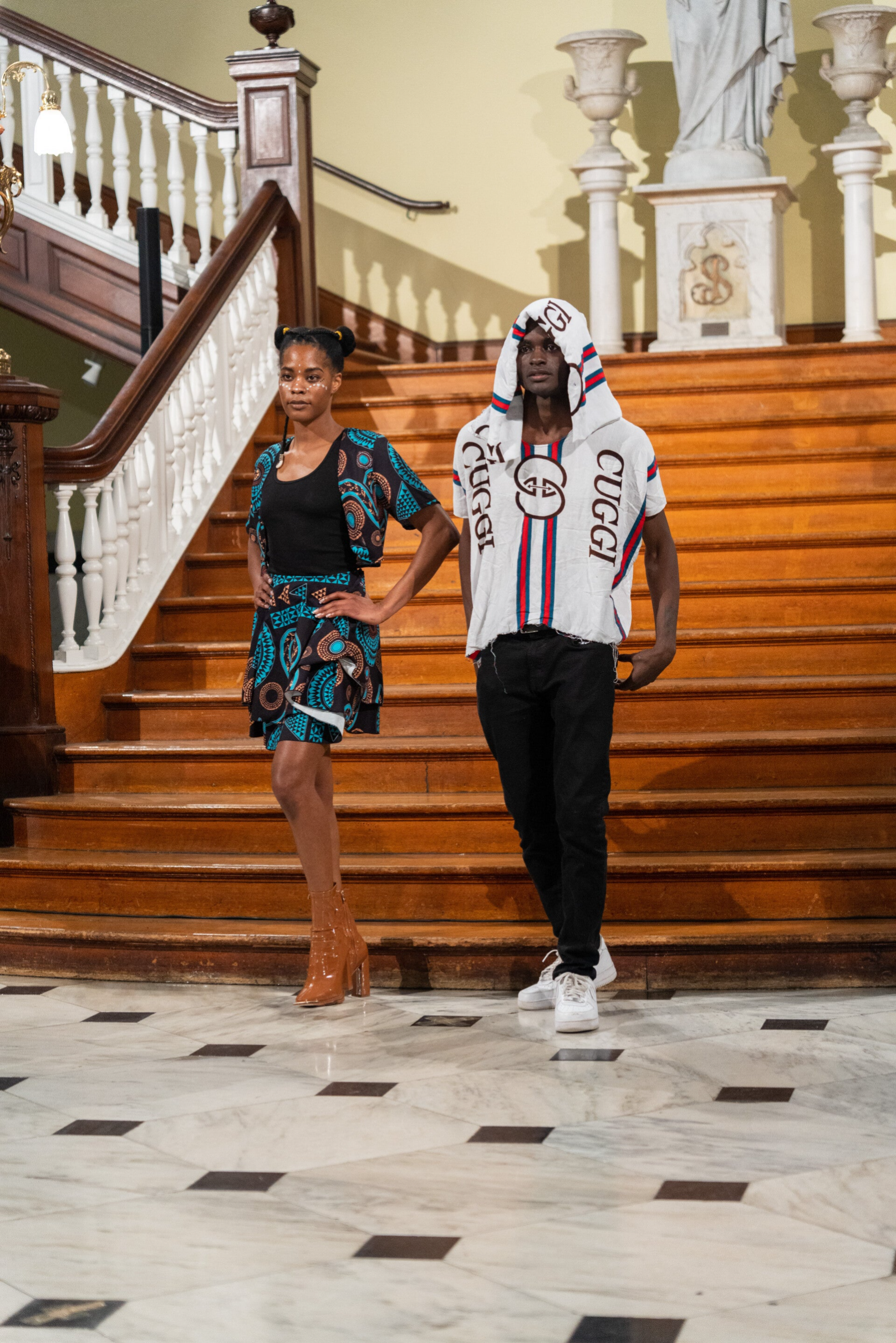
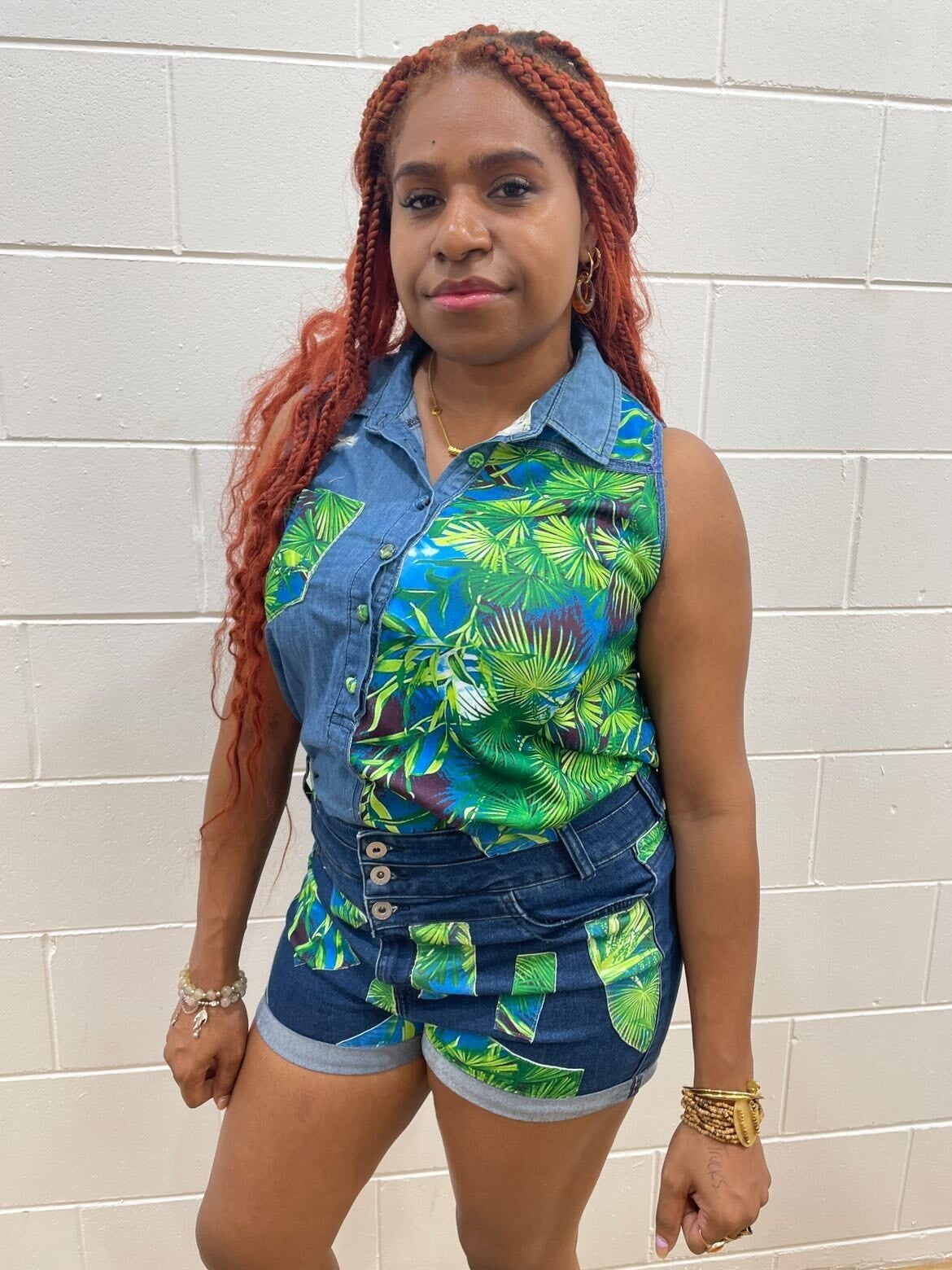
We are dedicated to bringing old garments to life which we hope to encourage communities to reuse what they have, and to understand that the old and broken is not to be thrown out, but to be repurposed and still has value.
The Process of Our Fabrics
Step 1. Where It Begins
Many of our materials come from people's wardrobes — clothing they no longer fit into, no longer like, or simply don't want anymore. People also bring us items that are torn, damaged or no longer in perfect condition. The thing people don't always realise is that the fabric doesn't have to be perfect. Because we cut, reshape and sew the materials into something new, even damaged or unwanted clothing can still have plenty of life left in it.
Step 2. Choosing the Materials
Once we receive the clothing, we look at what is usable and what may be torn or damaged. We don't necessarily sort everything into separate piles, because we choose the materials based on what we are planning to create. Whether it's a dress, shorts, a top or something completely different, the idea for the creation helps determine which fabrics and garments we use.
We then cut, reshape and sew the materials together to create the finished piece. Once the item is complete, we wash it so it is ready to be worn.
Any clothing we don't use doesn't simply go to waste. We have also begun sending suitable leftover clothing to our homestay family in Fiji, who have requested it for their village. Anything we send is in good condition and suitable to be shipped and passed on to people who can use it.
Step 3. Deconstructing and Rebuilding
We deconstruct the clothing by carefully using a seam ripper to unstitch the threads holding the different sections together. This allows us to separate pieces such as sleeves, hems and panels while keeping as much of the original fabric as possible.
Once we have the pieces we need, we combine them using a sewing machine to create the new design. Depending on the garment and how much strength the particular section needs, we may use either a single or double stitch to help ensure the finished piece is strong and wearable.
Step 4. Creativity Has No Limits
Every garment turns out differently because creativity is a process. Sometimes an idea works exactly as we imagined, and sometimes it doesn't — and that's part of creating something new. Whatever pieces of fabric are left over, we find a way to use them and make them work in another part of the design.
We also reuse as much as we can, including elastics, sleeves, buttons, jewellery attached to clothing and, where possible, leftover thread depending on its condition. We always try to find a purpose for what we have rather than throwing it away.
Being creative isn't just a process; it's about letting your imagination run wild. There are no limits to creativity, and that's the beauty of it.
Step 5. Why We Reuse What Already Exists
The environmental reason behind using these garments started with a practical observation. It wasn't only because our brand didn't have the funds to buy new fabrics — we also realised how expensive fabric can be. Depending on the style, colour and type of fabric, a meter can cost anywhere from around $5 to $40 or more.
That made us look at what was already available around us. Instead of buying new fabric for every creation, we began using clothing from people's wardrobes. It became a win-win situation: people could give away clothing they no longer wanted, and we could give those materials a new purpose rather than seeing them go to waste.
Clothing that people no longer want is often thrown away or donated to charity shops, where it may be resold depending on its condition and brand. We wanted to explore another possibility — taking those unwanted garments and turning them into something completely new. For us, it's about reducing waste, being resourceful and showing that creativity doesn't always require starting with brand-new materials.
Step 6. Looking Towards the Future
Even though we have been away from the fashion runways, we are still being recognised for our work in sustainable fashion, and we have received several offers from global platforms interested in what we do. Looking ahead, we also want to take what we have learned into schools and educate children about how they can make a difference by using what they already have.
We want young people to understand that sustainability isn't just something big companies or governments have to think about — it can start with the choices we make ourselves. By showing children how they can reuse, repurpose and get creative with things they already have, we hope they can see the impact those small choices can have on both their own lives and the environment.
Our Designs in Action
Take a closer look at some of our creations and discover the stories behind how these unwanted fabrics found new life.